What is an IP address, and why can two devices share one?
Summary: An IP address helps route data to a network interface. Your laptop may have a private address inside your home network while websites see a public address shared through your router or internet provider. An IP address alone does not identify a person.
Private and public addresses
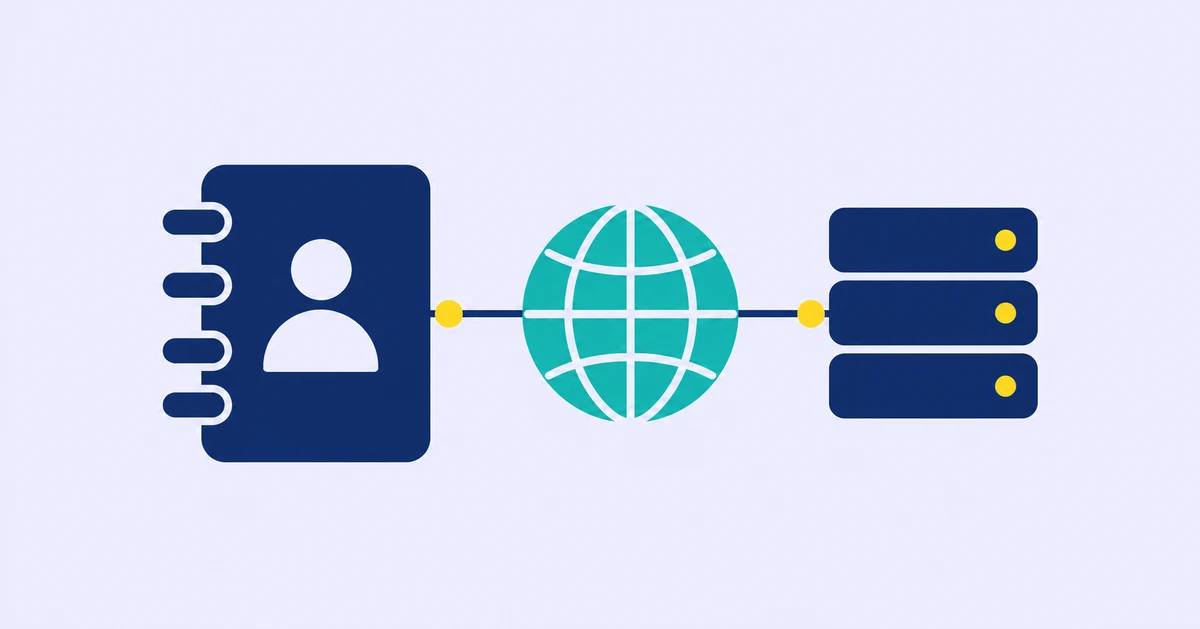
A router gives devices local addresses, often from private IPv4 ranges. It translates connections so several devices can share one public IPv4 address. IPv6 works differently and may assign globally routable addresses to devices, but firewall and privacy settings still affect reachability.
An online IP check shows the public address visible to that service. It does not reveal the local address of your printer or laptop.
What can an IP reveal?
IP databases can suggest the internet provider and an approximate region. Mobile networks, VPNs, and shared gateways can make a location estimate point to another city. An address is not GPS coordinates or proof of someone's identity.
Frequently asked questions
Why does my phone show a different IP on Wi-Fi and mobile data?
It uses a different network and usually a different public exit address. A VPN can also change the address visible to a site.
Is an IP address a password?
No. Knowing an address alone does not grant access to a device. Exposed services and their security settings determine what can be reached.